

Market
If you’re thinking about selling your boat, it’s tempting to start with one question:
“What should I list it for?”
Price matters, but that’s not where I like to start.
Before we determine an asking price, I want to understand the boat, its condition, maintenance history, equipment, competition and what today’s buyers are actually paying.
Getting those things right before the listing goes live can make the difference between a boat that generates serious interest and one that sits on the market requiring repeated price reductions.
Start With the Boat, Not the Asking Price
Every boat has a story.
How has it been used? What’s been upgraded? What’s been maintained? What needs attention? Are service records available? Are there issues a buyer or surveyor is likely to discover?
I would rather identify those things before we have a buyer under contract.
That doesn’t mean everything needs to be repaired or upgraded before selling. Sometimes spending $5,000 on improvements won’t add $5,000 to the selling price.
The objective is to determine what should be fixed, what should be cleaned up, what should be documented and what should simply be disclosed.
That’s part of preparing a boat for market.
One of the biggest mistakes sellers can make is looking at asking prices online and assuming that’s what their boat is worth.
Asking prices tell us what sellers want.
Closed sales tell us what buyers paid.
When I’m evaluating a boat, I look at comparable vessels currently competing for the same buyer, but I also look at actual sold-boat information available through the professional yacht brokerage MLS.
Then we make adjustments for things such as:
- Engine hours and condition
- Maintenance history
- Electronics and equipment
- Recent upgrades
- Cosmetic condition
- Location
- Comparable inventory
- Current buyer demand
The goal isn’t to find the highest possible asking price.
It’s to find the price and marketing position most likely to produce the best reasonable outcome for the seller.
Preparation Doesn’t Mean Making the Boat Perfect
Buyers don’t expect a used boat to be new.
They do expect it to be represented accurately.
Before going to market, I generally want to look at the things that affect a buyer’s first impression and confidence.
Cleanliness matters. Personal belongings should be reduced. Maintenance records should be organized. Equipment should be tested. Known problems should be identified.
Depending on the boat, we may recommend servicing something before listing. Other times, the better decision is to disclose the issue and price accordingly.
Good preparation isn’t about hiding imperfections. It’s about eliminating unnecessary objections.
Where Does CPYB Fit Into This?
CPYB stands for Certified Professional Yacht Broker.
For me, earning the CPYB designation wasn’t about putting another set of letters after my name. It was about committing to a professional standard for yacht brokerage.
The certification requires industry experience, testing and adherence to professional and ethical standards.
But what should that mean to you?
If You’re Selling
You should expect your broker to help you make informed decisions about valuation, preparation, marketing, offers, negotiations, surveys and the transaction through closing.
My job isn’t simply to put your boat online.
My job is to represent your interests and help structure the transaction.
If You’re Buying
Professional representation matters on the other side as well.
A broker should help you evaluate the boat and the transaction, structure an appropriate offer, coordinate inspections and surveys, work through issues that arise and help keep the transaction moving toward a clean closing.
The objective isn’t to talk you into buying a boat.
It’s to help you make a well-informed decision about whether you’re buying the right boat at the right terms.
Thinking About Selling?
You don’t need to wait until you’ve decided to sell before talking with a broker.
In fact, I would rather have that conversation 30, 60 or even 90 days before you want the boat on the market.
That gives us time to evaluate the boat, look at comparable sales, identify worthwhile preparation and determine the right strategy.
And sometimes the recommendation may be to wait.
If you’re considering selling a boat in the Pacific Northwest, I’m happy to take a look and give you a realistic assessment of where it fits in today’s market.
The first step doesn’t have to be listing your boat.
It can simply be understanding your options.
Kern Dillard, CPYB
Certified Professional Yacht Broker
USCG Master Captain
Featured Listings
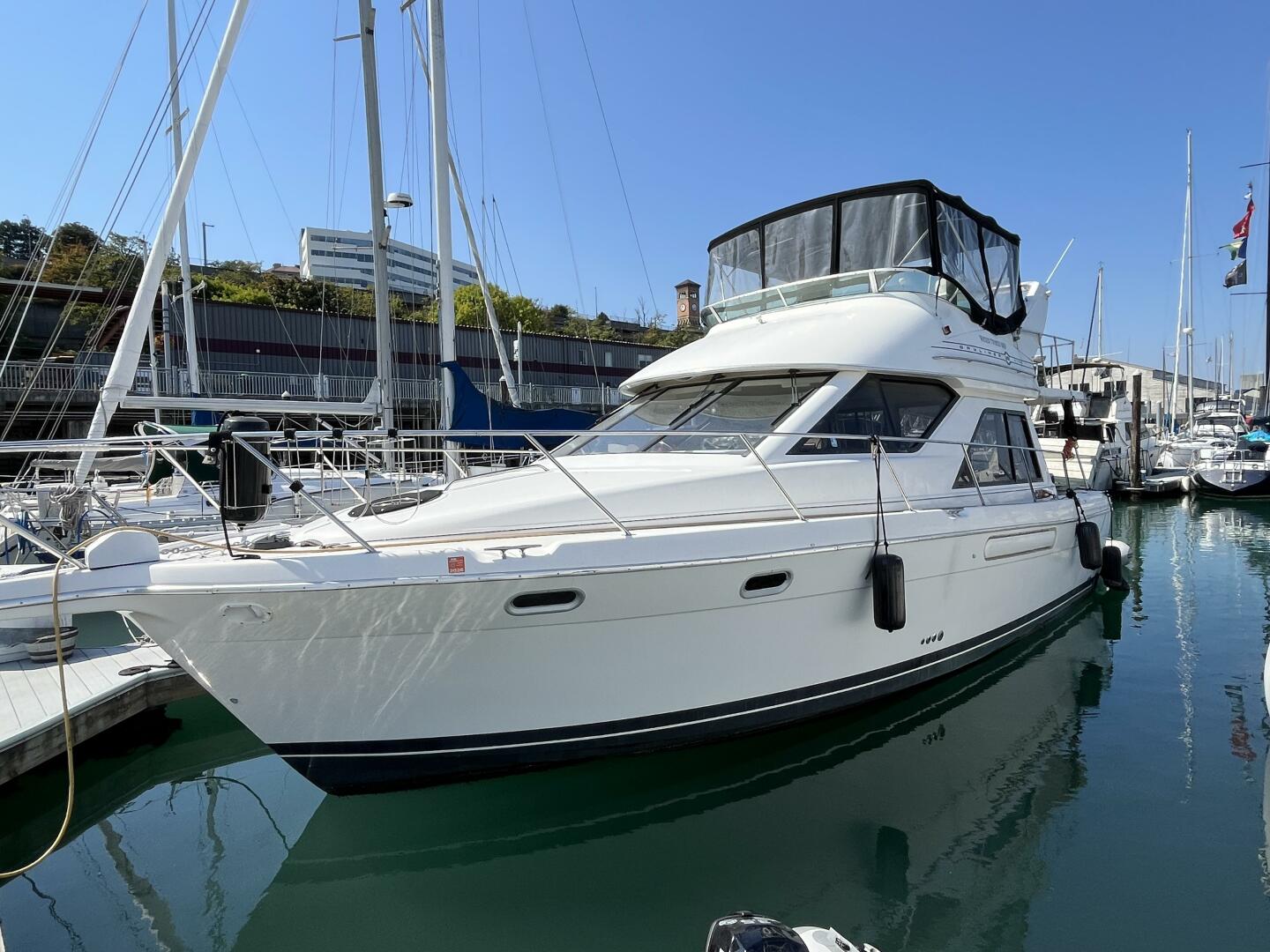
1996 Bayliner Wicked Twisted Road
$85,000
37
Tacoma Washington
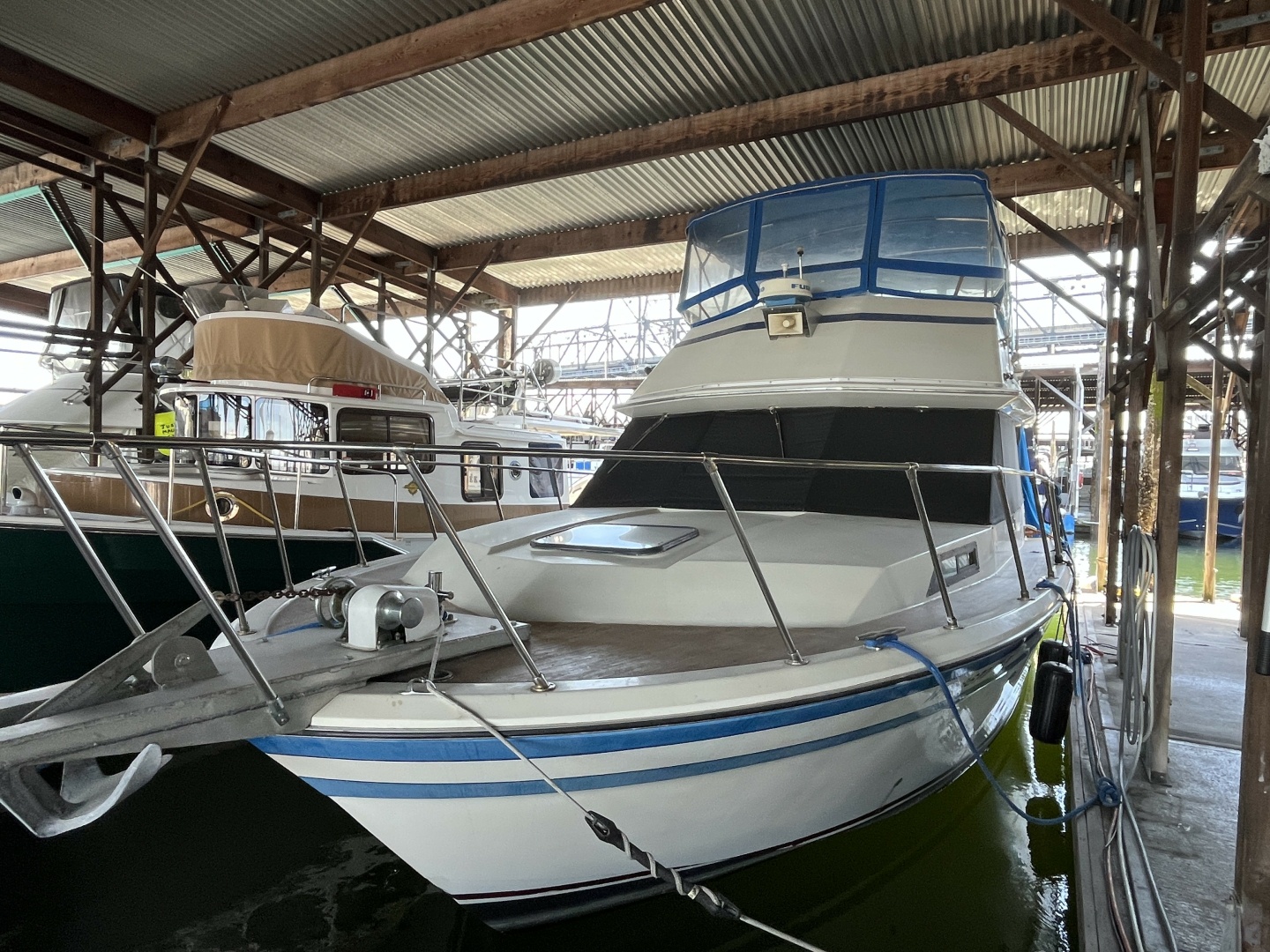
1976 Fiberform
$18,000
34
Tacoma Washington
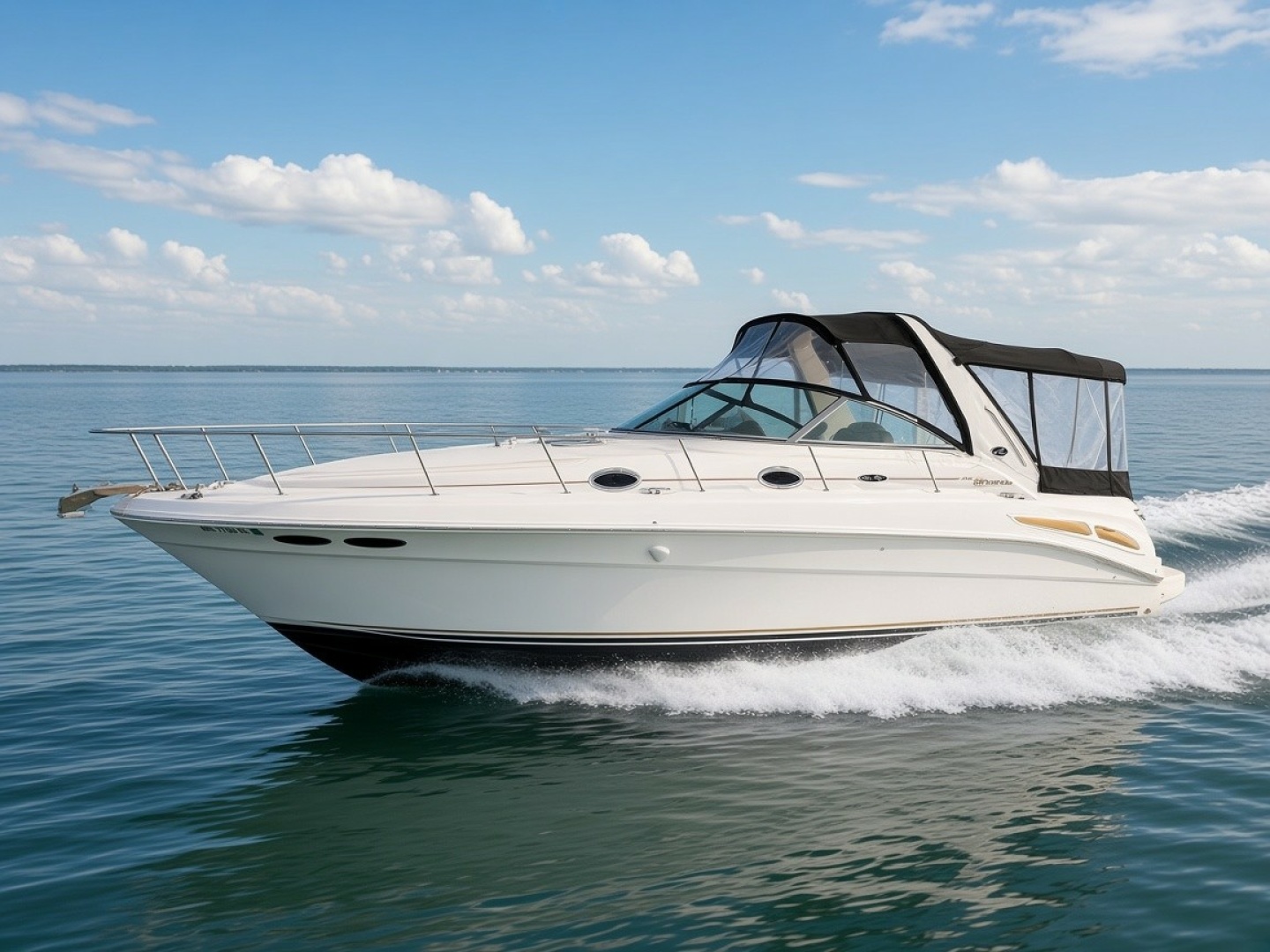
2003 Sea Ray EXECUTIVE RETREAT
$74,900
34
Tacoma Washington
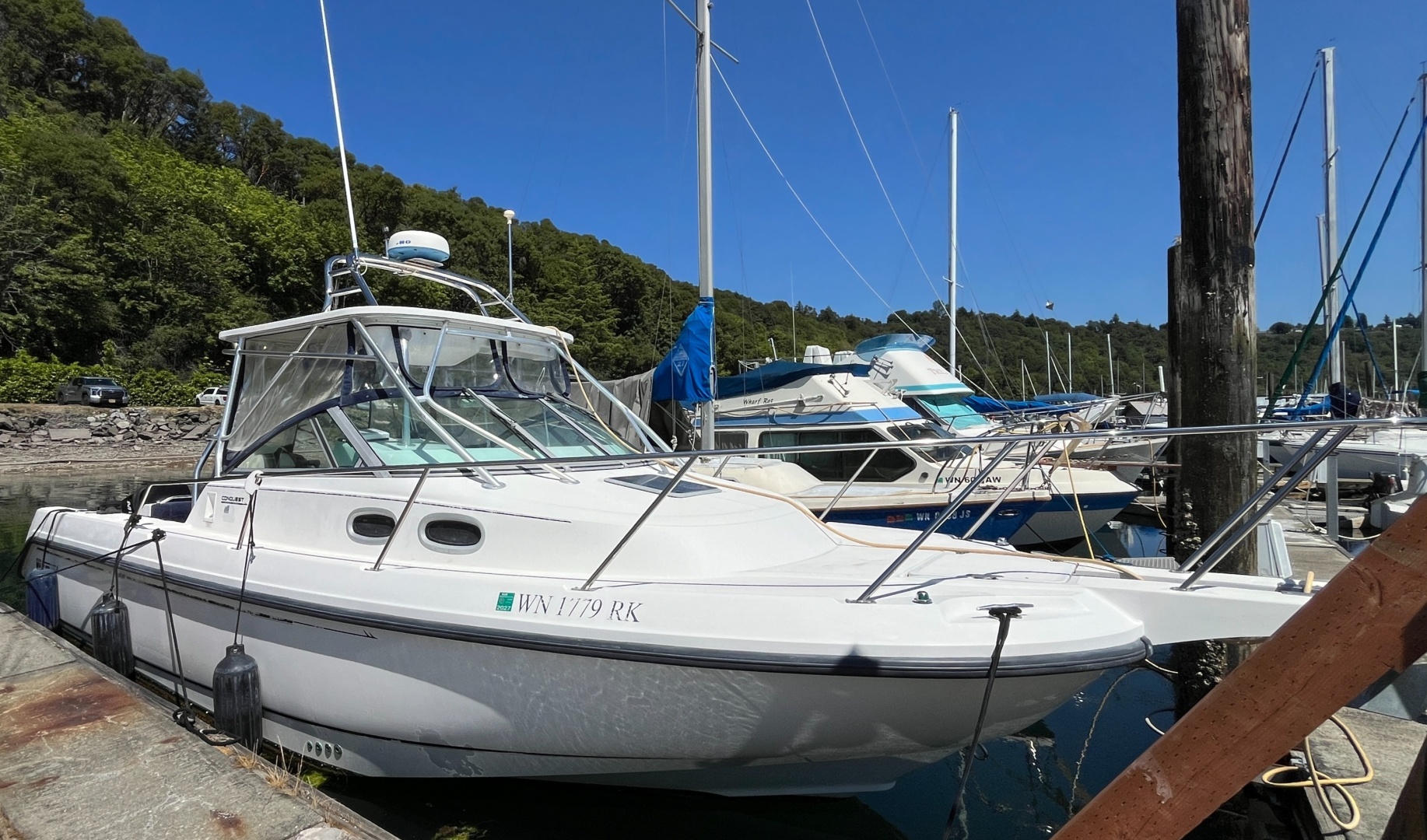
2001 Boston Whaler PISCATORIAL PASSION
$42,900
28
Tacoma Washington

2022 Beneteau IDLE TIME
$61,955
24.58
Tacoma Washington

2022 Beneteau FOOT LOOSE
$63,956
24.58
Tacoma Washington

2023 Crownline HOT LINE
$44,938
22.92
Tacoma Washington

2023 Crownline COASTLINE
$49,946
22.92
Tacoma Washington

2022 Bayliner ISLAND RUNNER
$39,934
22.25
Tacoma Washington

2021 Bayliner LIBERTY
$41,936
22.25
Tacoma Washington

2024 Axis WAVE RIDER
$63,458
22
Tacoma Washington

2024 Axis A FRAME
$77,572
22
Tacoma Washington

2024 Axis RIP TIDE
$67,763
22
Tacoma Washington

2024 Axis SILVER SURFER
$73,569
22
Tacoma Washington

2022 Sea Ray CELTIC ROSE
$33,830
21.67
Tacoma Washington

2022 Sea Ray GLORAY DAYS
$31,828
21.67
Tacoma Washington

2023 Sea Ray BETTER WAYS
$38,834
21.67
Tacoma Washington

2022 Crownline JOLLY ROGER
$32,927
21.33
Tacoma Washington

2023 Jeanneau NORTH STAR
$69,863
21
Tacoma Washington