

Protect Your Vessel After Fall & Winter Weather in the Pacific Northwest: Essential Tips for 2025
As we embrace the changing seasons in 2025, it’s crucial to recognize the impact that fall and winter storms can have on your treasured vessel in the Pacific Northwest. Heavy rain, fierce winds, king tides, and unpredictable moorage conditions are all part of our climate. That’s why a proactive approach to vessel maintenance is essential for every boat owner.
Conducting a post-storm inspection is key to preventing costly surprises come spring.
As a yacht broker and USCG Master Captain with years of experience, I’ve witnessed firsthand how small issues can escalate into significant problems if left unaddressed. Common concerns include soft decks due to water intrusion, failed bilge pumps that could lead to flooding, damaged canvas from harsh weather conditions, and strained dock lines that might compromise your boat’s safety at the dock.
Here’s a practical checklist to protect your investment this season:
- Check Your Lines and Fenders
Storm conditions can shift boats dramatically, especially during king tide cycles. Start by:
- Inspecting all dock lines for fraying, stretching, or chafing
- Ensuring lines are still tied to appropriate cleats with the right tension
- Adding or repositioning fenders where the boat may now be rubbing
- Look for Water Intrusion
Even “small” leaks become big issues over the winter. After a storm:
- Inspect the cabin, under cushions, and all storage compartments
- Check windows, hatches, anchor lockers, and rod holders for drips
- Look for water pooling in the bilge areas
- Verify the bilge pumps actually activate
If your bilge is filling faster than expected or your pump isn’t cycling, you want that fixed before the next wave of PNW weather hits.
- Inspect Canvas, Covers, and Biminis
High winds wreak havoc on canvas and stitching. Walk around and look for:
- Broken snaps
- Sagging canvas that’s now holding water
- Flybridge or cockpit enclosures pulling loose
Keeping your canvas in good shape keeps the interior dry—and protects cushions, electronics, and flooring from mold and mildew.
- Confirm Shore Power & Battery Charging
After a storm, shore power connections can loosen, breakers can trip, and GFCI outlets might reset. Check:
- The boat is still connected securely to shore power
- The charging system shows proper voltage
- Inspect the Engine Compartment
You don’t need to be a mechanic, visually check for:
- Standing water
- Corrosion
- Loose hoses or clamps
If you see anything unusual, take a photo and reach out to your mechanic or broker you’ll save time, money, and headaches.
By taking these simple steps now, you’ll ensure your boat is ready for every adventure ahead while maximizing its longevity during these harsher months.
Feel free to reach out if you’d like more personalized advice on protecting your vessel this winter! I’m here to help you navigate through all aspects of boating—just send me an email at kern@boatsalesnw.com!
Featured Listings
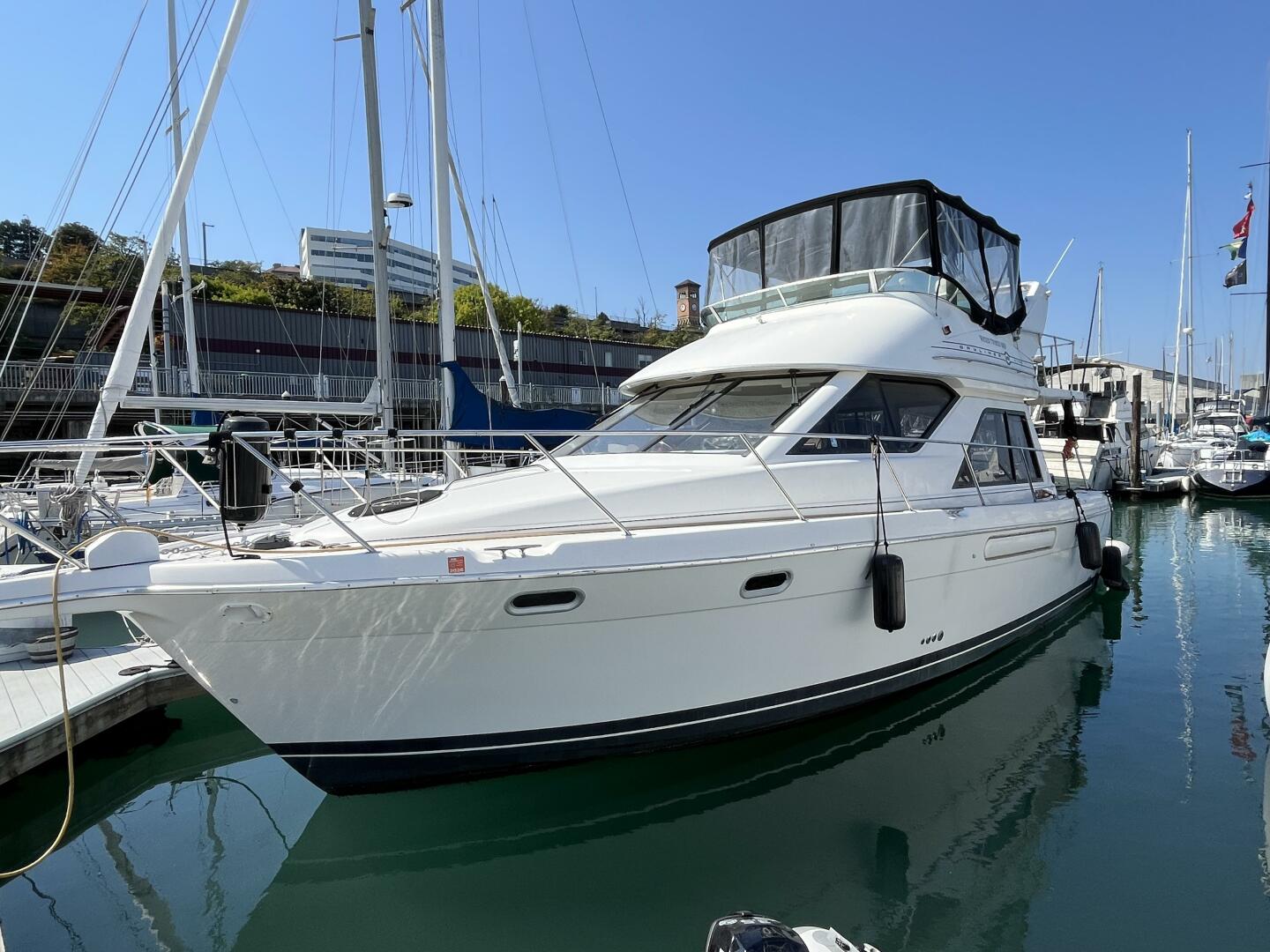
1996 Bayliner Wicked Twisted Road
$85,000
37
Tacoma Washington
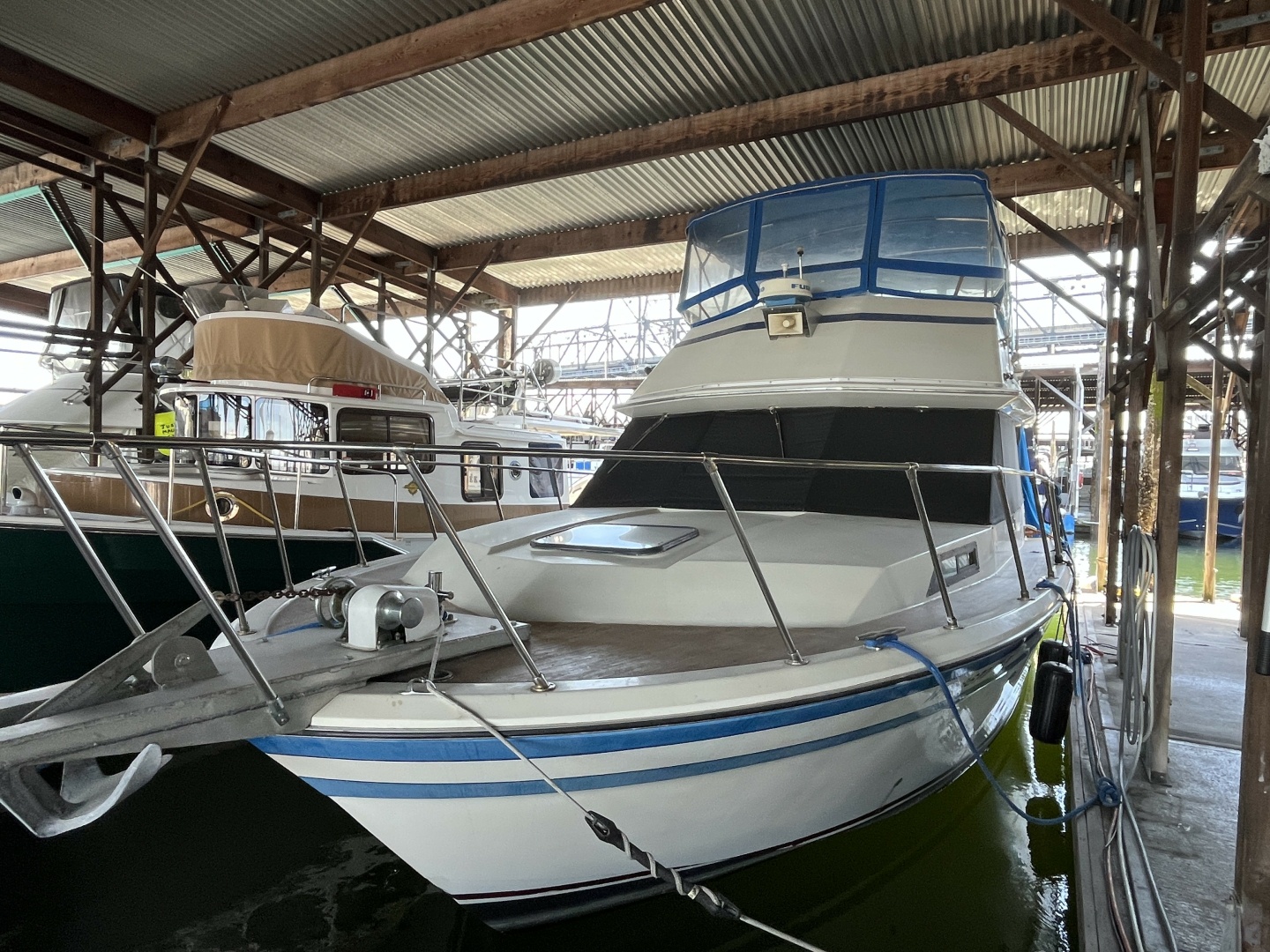
1976 Fiberform
$18,000
34
Tacoma Washington
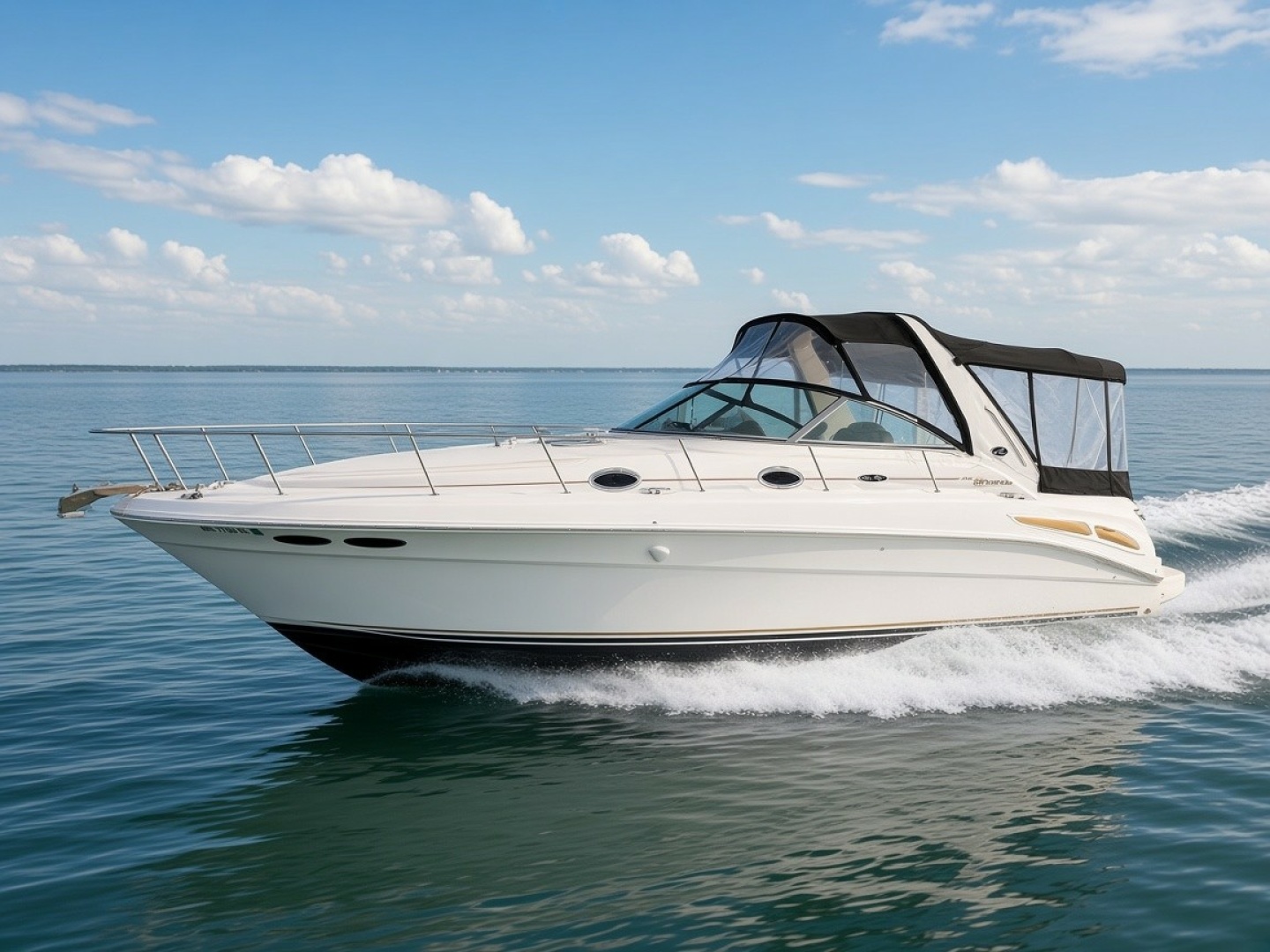
2003 Sea Ray EXECUTIVE RETREAT
$74,900
34
Tacoma Washington
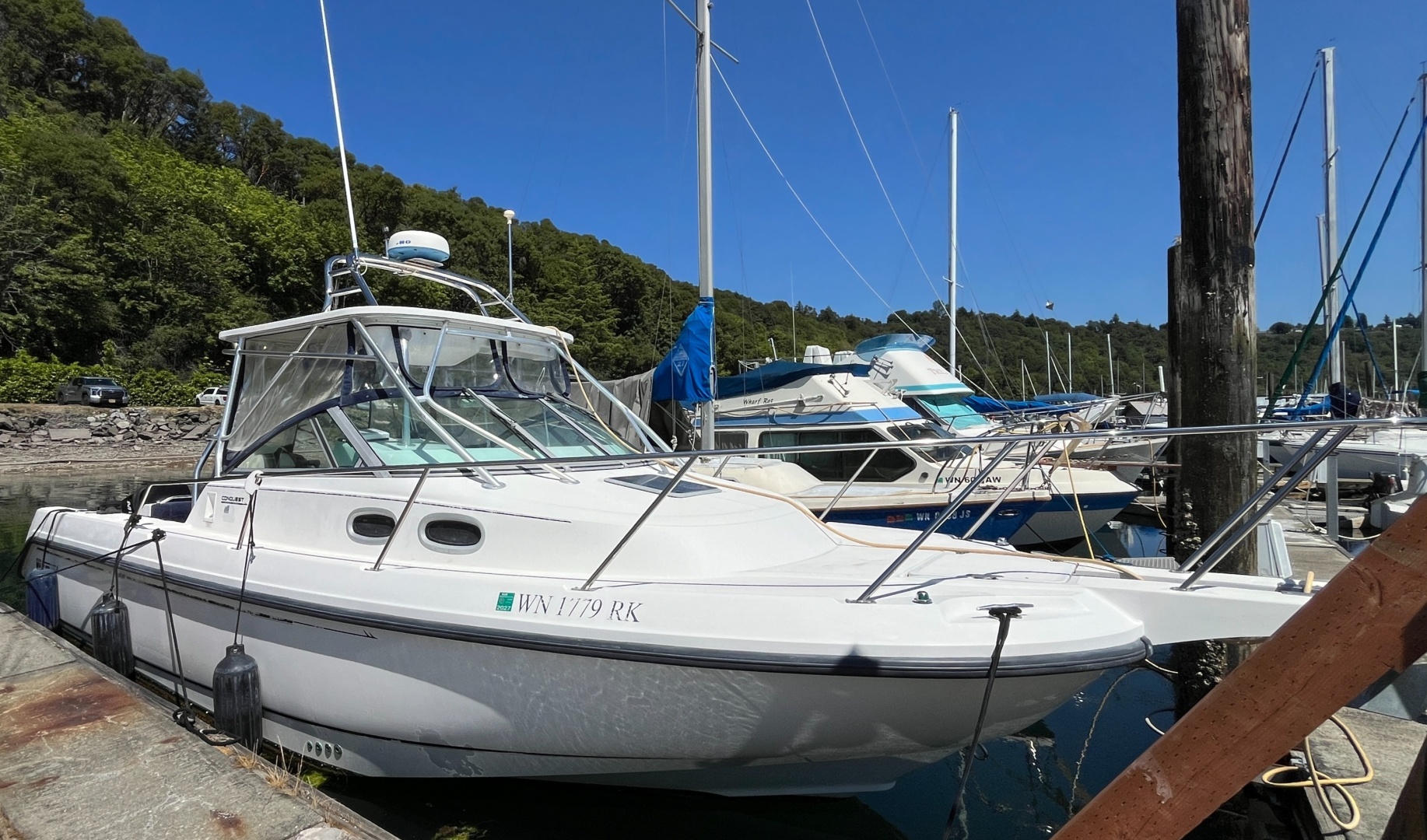
2001 Boston Whaler PISCATORIAL PASSION
$42,900
28
Tacoma Washington

2022 Beneteau IDLE TIME
$61,955
24.58
Tacoma Washington

2022 Beneteau FOOT LOOSE
$63,956
24.58
Tacoma Washington

2023 Crownline HOT LINE
$44,938
22.92
Tacoma Washington

2023 Crownline COASTLINE
$49,946
22.92
Tacoma Washington

2022 Bayliner ISLAND RUNNER
$39,934
22.25
Tacoma Washington

2021 Bayliner LIBERTY
$41,936
22.25
Tacoma Washington

2024 Axis WAVE RIDER
$63,458
22
Tacoma Washington

2024 Axis A FRAME
$77,572
22
Tacoma Washington

2024 Axis RIP TIDE
$67,763
22
Tacoma Washington

2024 Axis SILVER SURFER
$73,569
22
Tacoma Washington

2022 Sea Ray CELTIC ROSE
$33,830
21.67
Tacoma Washington

2022 Sea Ray GLORAY DAYS
$31,828
21.67
Tacoma Washington

2023 Sea Ray BETTER WAYS
$38,834
21.67
Tacoma Washington

2022 Crownline JOLLY ROGER
$32,927
21.33
Tacoma Washington

2023 Jeanneau NORTH STAR
$69,863
21
Tacoma Washington