

High Engine Hours on a Used Boat: Red Flag or Buying Opportunity?
One of the first questions buyers ask about a used boat is:
“How many hours are on the engines?”
It’s an important question, but engine hours alone don’t tell you whether you’re looking at a good boat or a bad one.
A boat with 1,200 hours deserves more scrutiny than one with 200. But automatically eliminating a boat because of the hour meter can also cause you to overlook a very good buying opportunity.
The better questions are:
How were those hours accumulated? How was the engine maintained? What is its condition today? And does the price properly reflect the hours?
High Hours Aren’t Necessarily Bad Hours
Consider two similar boats.
One has 400 hours but has spent long periods sitting unused. Maintenance records are incomplete and nobody can tell you exactly when important services were performed.
The other has 1,200 hours, has been used regularly, professionally maintained and has documented service history.
Which is the better boat?
We don’t know yet.
That’s the point. The hour meter doesn’t give us enough information to make the decision.
Regular use isn’t necessarily a negative. Engines are designed to run. What matters is how they were operated and maintained.
Maintenance History Matters
When evaluating a higher hour boat, I want to know:
- Who maintained it?
- Was maintenance performed on schedule?
- Are service records available?
- Have there been overheating issues or major repairs?
- Is there evidence of deferred maintenance?
- How does the engine perform today?
A higher hour engine with a documented history gives us something we can evaluate. A low hour engine with no history can leave us with more questions than answers.
Let the Engine Tell Us Its Story
Modern marine engines can provide considerably more information than an hour meter.
Depending on the engine, a qualified technician can retrieve diagnostic information including total hours, RPM ranges and recorded faults.
Two engines can both have 1,000 hours while having very different operating histories.
That’s why I prefer data over assumptions.
For a serious purchase, a mechanical inspection and sea trial can help determine the engine’s current condition. Depending on the situation, that might include computer diagnostics, compression or leak-down testing, fluid inspection and verification that the engine performs properly under load.
A marine survey is also important, but remember that a survey and mechanical inspection serve different purposes. The surveyor evaluates the vessel as a whole while the technician takes a closer look at the propulsion system.
Price Changes the Equation
This is where higher hour boats can become interesting.
A higher hour boat should normally be priced differently from an otherwise comparable low hour boat.
Suppose the low hour boat is $95,000 and a comparable higher hour boat is $72,000.
Now the question isn’t simply:
“Which boat has fewer hours?”
It’s:
“Is the lower hour boat worth another $23,000?”
Maybe it is. Maybe it isn’t.
Consider the maintenance history, mechanical condition, equipment, electronics, upholstery, trailer and overall condition. Then consider what foreseeable maintenance or repairs might cost.
Value is determined by the entire package, not just the hour meter.
How Many Hours Is Too Many?
There isn’t one magic number.
Instead of asking:
“Are 1,000 hours too many?”
Ask:
“Does this boat’s condition, maintenance history, inspection and price make sense considering the hours?”
Some higher hour boats should absolutely be avoided.
Others can represent excellent value because the market has already discounted them for the hours.
The key is knowing the difference.
An Extra Layer of Protection
We currently have several higher hour boats available through Victory Boat Sales, including vessels coming out of professionally managed fleet service.
We understand that engine hours are one of the first concerns buyers have. That’s why we’re including a one year warranty on qualifying Victory Boat Sales vessels.
A warranty doesn’t replace a mechanical inspection, survey or proper due diligence, and buyers should understand the specific coverage and exclusions.
But it can provide another layer of protection when a higher hour boat also represents a compelling value.
If you’ve been automatically skipping boats because the engine hours look high, it may be worth taking a closer look.
The hour meter tells you how long an engine has been running. It doesn’t tell you the whole story of the boat.
If you’re considering one of our boats, I’m happy to review the maintenance history, condition and value with you and help determine whether it makes sense for how you intend to use it.
Sometimes the best value isn’t the boat with the fewest hours.
It’s the boat where condition, history and price come together.
Kern Dillard, CPYB
Certified Professional Yacht Broker
USCG Master Captain
Boat Sales NW | Victory Boat Sales
Featured Listings
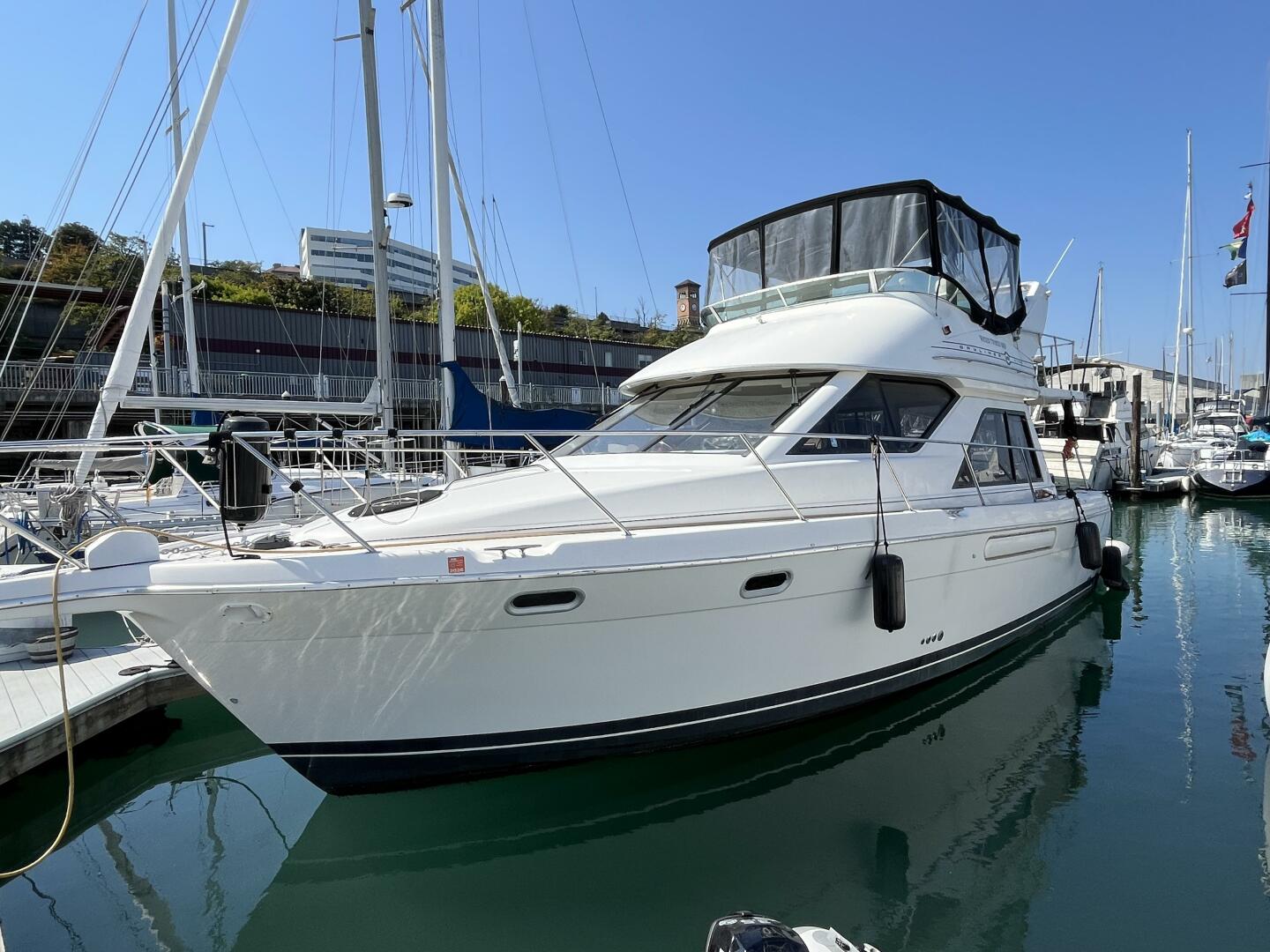
1996 Bayliner Wicked Twisted Road
$85,000
37
Tacoma Washington
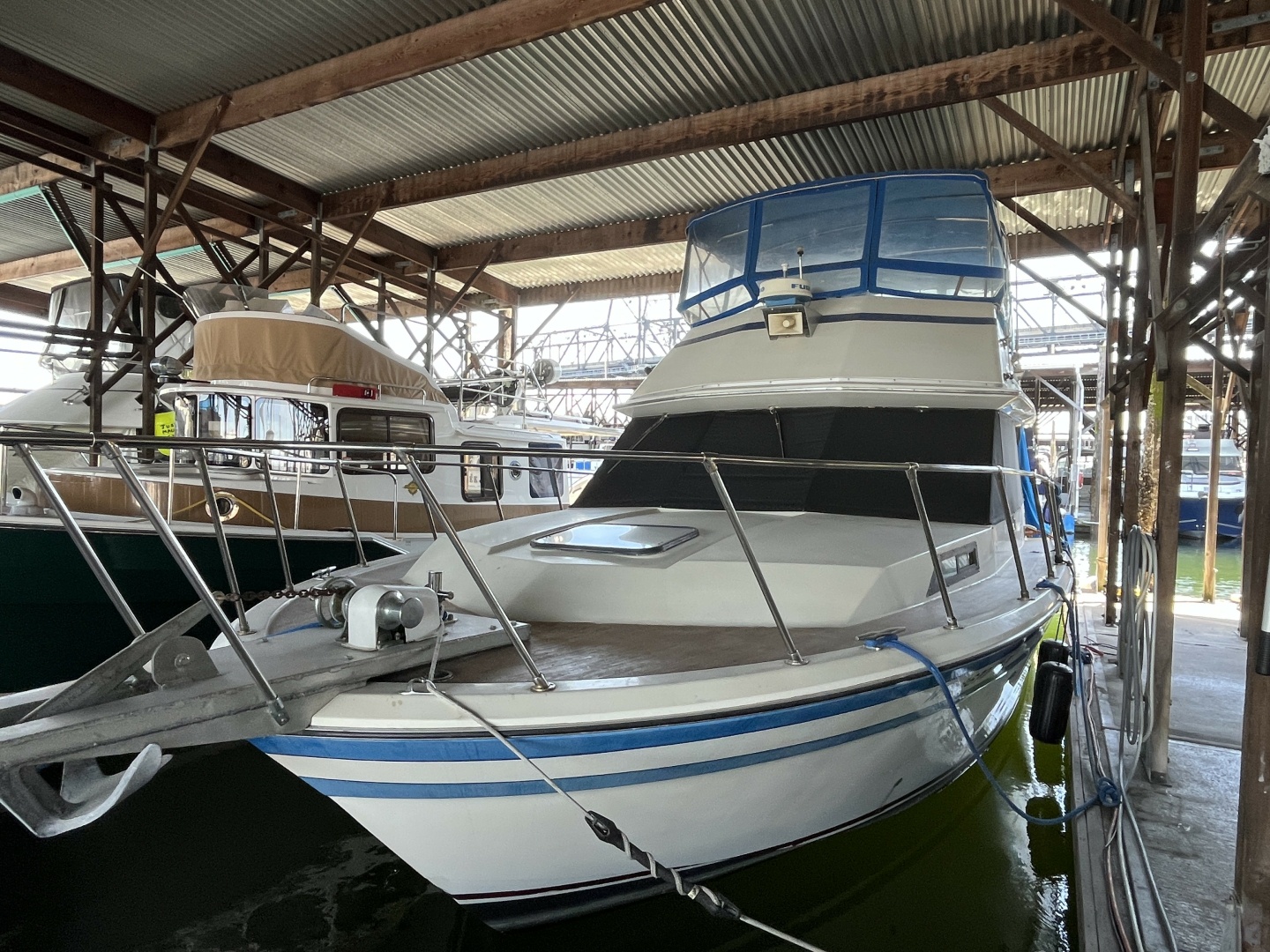
1976 Fiberform
$18,000
34
Tacoma Washington
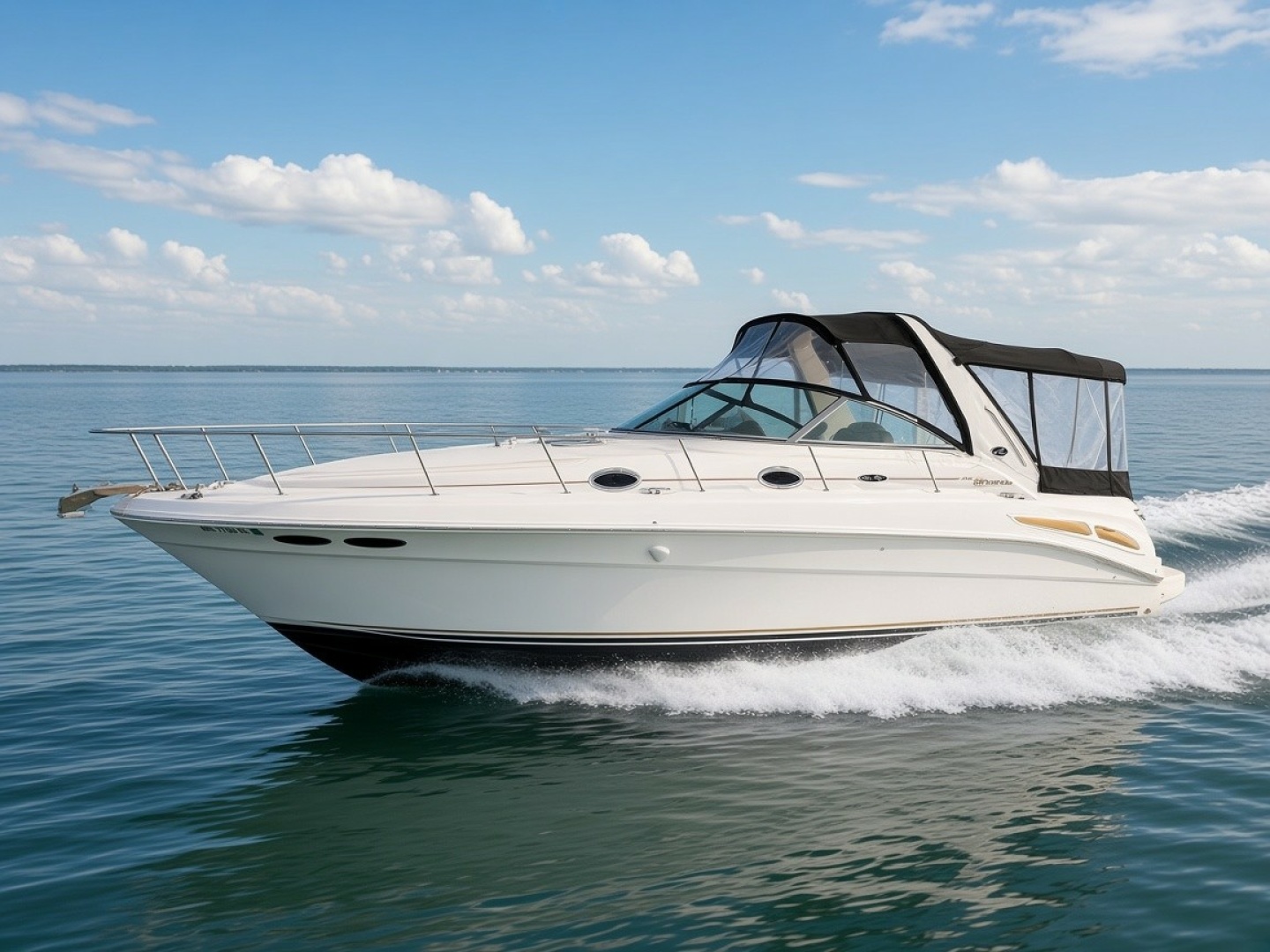
2003 Sea Ray EXECUTIVE RETREAT
$74,900
34
Tacoma Washington
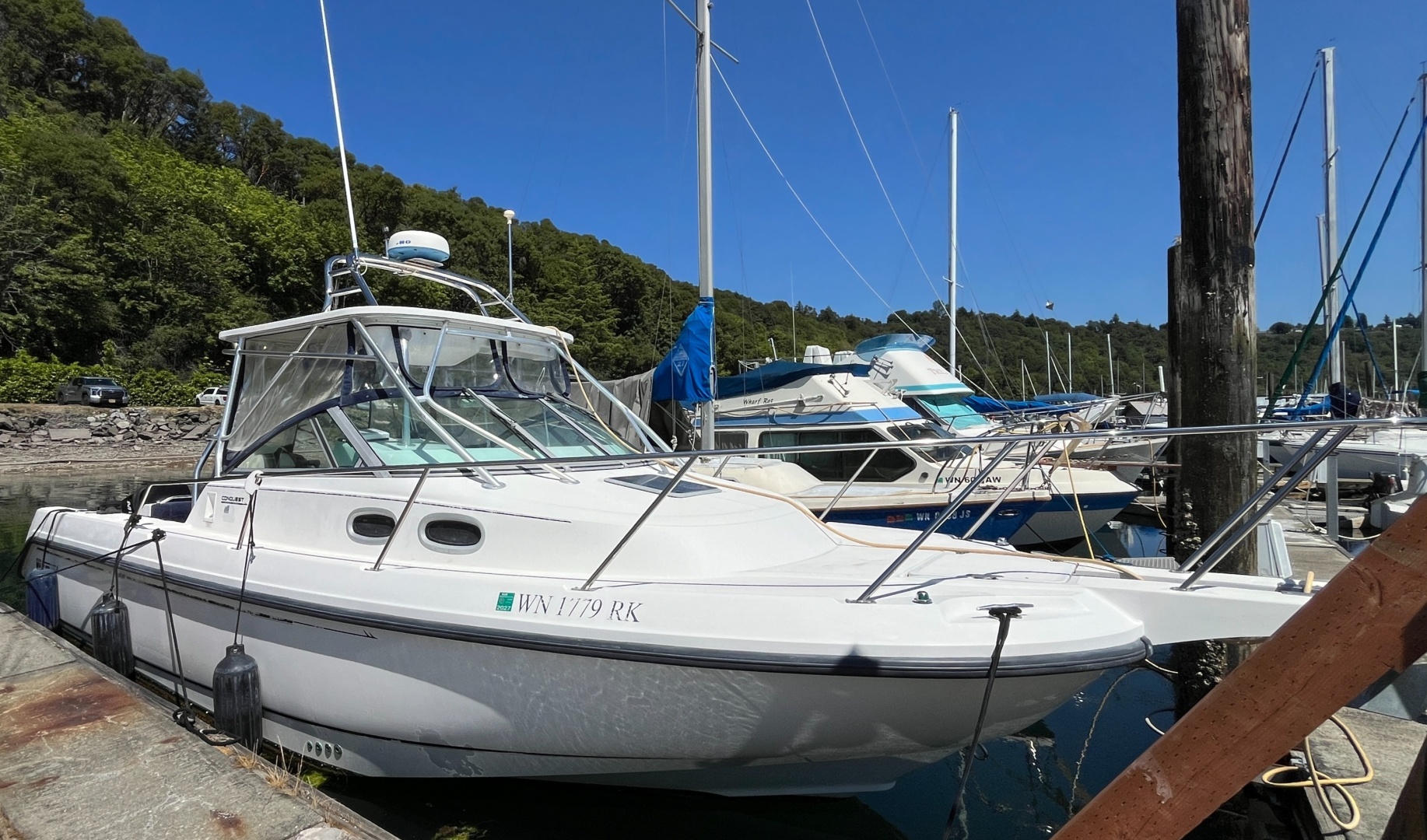
2001 Boston Whaler PISCATORIAL PASSION
$42,900
28
Tacoma Washington

2022 Beneteau IDLE TIME
$61,955
24.58
Tacoma Washington

2022 Beneteau FOOT LOOSE
$63,956
24.58
Tacoma Washington

2023 Crownline HOT LINE
$44,938
22.92
Tacoma Washington

2023 Crownline COASTLINE
$49,946
22.92
Tacoma Washington

2022 Bayliner ISLAND RUNNER
$39,934
22.25
Tacoma Washington

2021 Bayliner LIBERTY
$41,936
22.25
Tacoma Washington

2024 Axis WAVE RIDER
$63,458
22
Tacoma Washington

2024 Axis A FRAME
$77,572
22
Tacoma Washington

2024 Axis RIP TIDE
$67,763
22
Tacoma Washington

2024 Axis SILVER SURFER
$73,569
22
Tacoma Washington

2022 Sea Ray CELTIC ROSE
$33,830
21.67
Tacoma Washington

2022 Sea Ray GLORAY DAYS
$31,828
21.67
Tacoma Washington

2023 Sea Ray BETTER WAYS
$38,834
21.67
Tacoma Washington

2022 Crownline JOLLY ROGER
$32,927
21.33
Tacoma Washington

2023 Jeanneau NORTH STAR
$69,863
21
Tacoma Washington