

Engine Hours vs. Miles — The Truth about Outboard Usage
If you’re shopping for a modern outboard-powered boat or yacht in 2025, you may take notice an engine’s hour count. However, just like miles on a car, hours alone don’t tell the whole story of an engine’s reliability and performance.
Modern four-stroke outboards are engineered for longevity.
With regular oil and filter changes along with proper cooling system maintenance, these engines can easily surpass 6,000 hours while still delivering exceptional performance.
In fact, 1,200 hours of outboard operation is often comparable to driving a well-maintained vehicle for 25,000 to 30,000 miles. So don’t let a figure like “1,200 hours” deter you if there’s solid service history backing it up.
On the flip side, consider this: A boat engine that boasts only 150 hours but is ten years old and has been poorly stored might carry hidden issues far more concerning than those found in a higher-hour engine that has been meticulously cared for.
What should raise red flags when evaluating low-hour older engines?
Look out for corrosion in lower units and water jackets as well as deteriorated seals and gaskets.
Be wary of rusting components or fuel system problems stemming from stale fuel exposure too.
Electrical problems can emerge from underuse or poor storage practices while rubber and plastic parts may suffer degradation over time without regular operation.
In summary: Hour count serves as one useful metric among many but never oversimplify your assessment based solely on it. Maintenance history, storage conditions and usage patterns weigh heavily on an engine’s true condition. When considering your next boat or yacht purchase in 2025, ask the right questions; inspect thoroughly, and you may find that a higher-hour engine with diligent care will outperform its low-hour counterpart any day!
Featured Listings
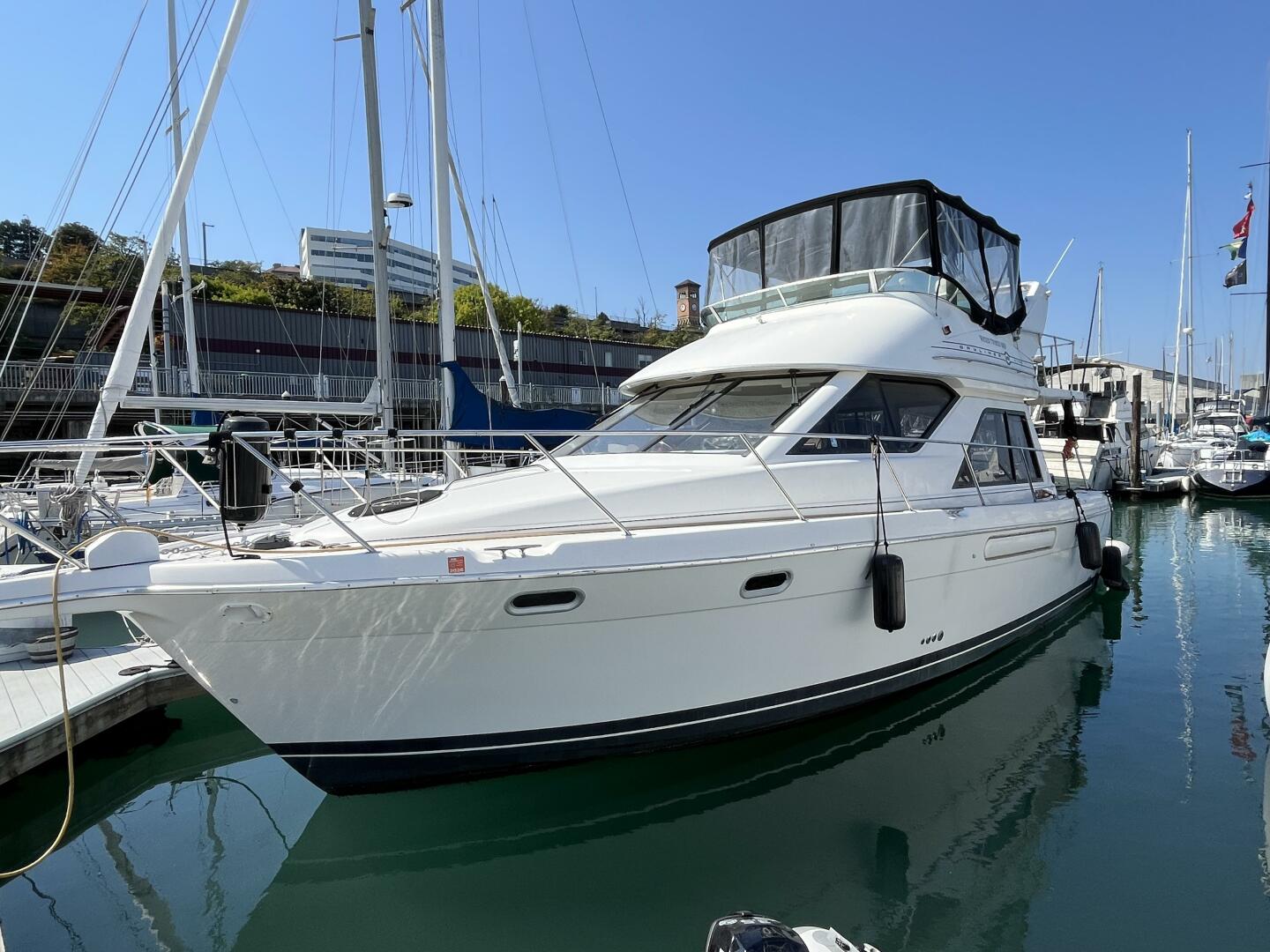
1996 Bayliner Wicked Twisted Road
$85,000
37
Tacoma Washington
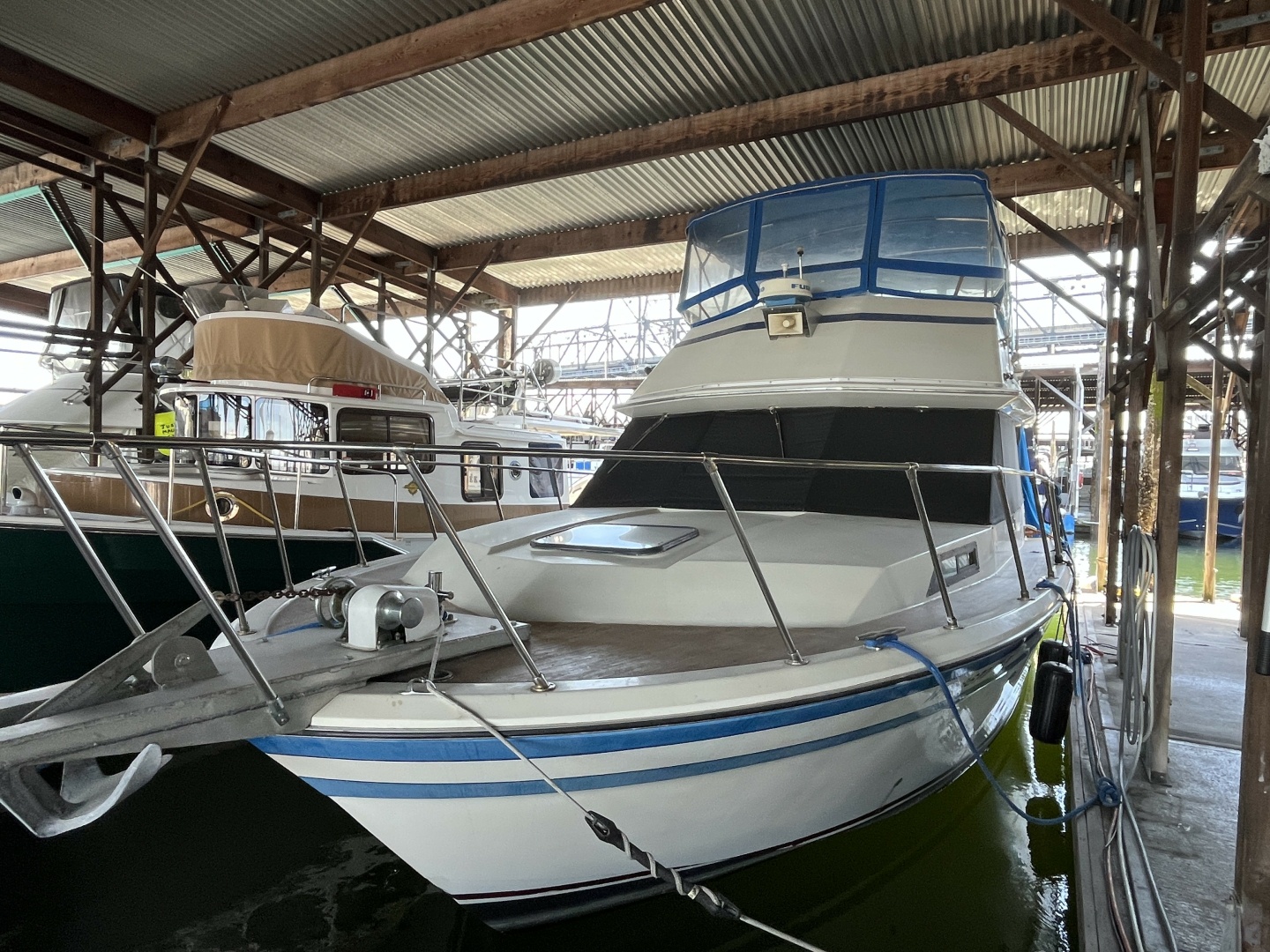
1976 Fiberform
$18,000
34
Tacoma Washington
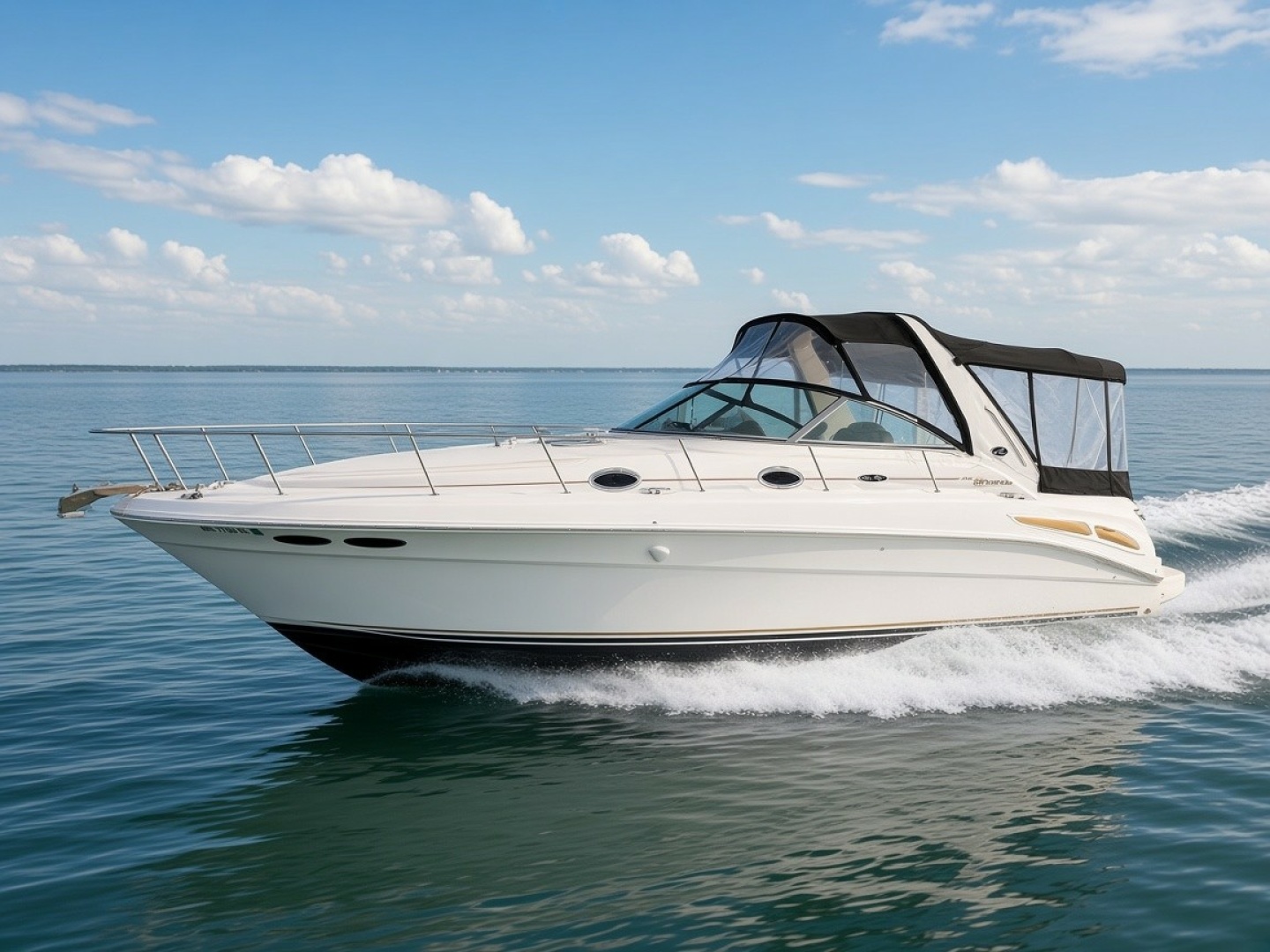
2003 Sea Ray EXECUTIVE RETREAT
$74,900
34
Tacoma Washington
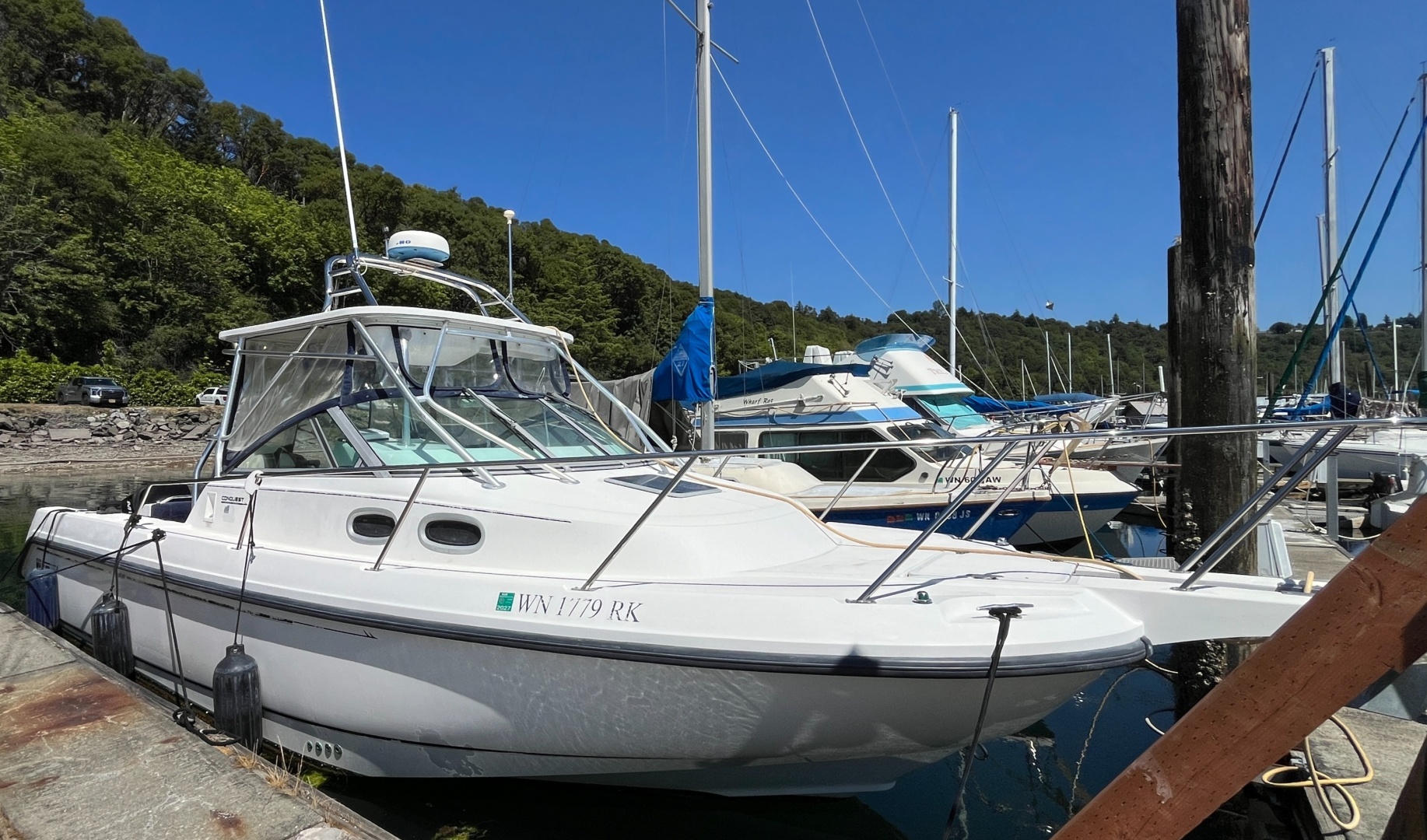
2001 Boston Whaler PISCATORIAL PASSION
$42,900
28
Tacoma Washington

2022 Beneteau IDLE TIME
$61,955
24.58
Tacoma Washington

2022 Beneteau FOOT LOOSE
$63,956
24.58
Tacoma Washington

2023 Crownline HOT LINE
$44,938
22.92
Tacoma Washington

2023 Crownline COASTLINE
$49,946
22.92
Tacoma Washington

2022 Bayliner ISLAND RUNNER
$39,934
22.25
Tacoma Washington

2021 Bayliner LIBERTY
$41,936
22.25
Tacoma Washington

2024 Axis WAVE RIDER
$63,458
22
Tacoma Washington

2024 Axis A FRAME
$77,572
22
Tacoma Washington

2024 Axis RIP TIDE
$67,763
22
Tacoma Washington

2024 Axis SILVER SURFER
$73,569
22
Tacoma Washington

2022 Sea Ray CELTIC ROSE
$33,830
21.67
Tacoma Washington

2022 Sea Ray GLORAY DAYS
$31,828
21.67
Tacoma Washington

2023 Sea Ray BETTER WAYS
$38,834
21.67
Tacoma Washington

2022 Crownline JOLLY ROGER
$32,927
21.33
Tacoma Washington

2023 Jeanneau NORTH STAR
$69,863
21
Tacoma Washington